Navigating Hydraulic and Pneumatic Fitting Selection

Discover how to select the right hydraulic and pneumatic fittings by balancing critical factors like working pressure, thermal thresholds, tubing compatibility, and reusability. Whether you are maintaining commercial air brake systems, industrial plumbing lines, or high-pressure refrigeration equipment, this guide provides a clear breakdown of fitting types and material requirements to help you ensure safety and operational reliability.

Featured Literature

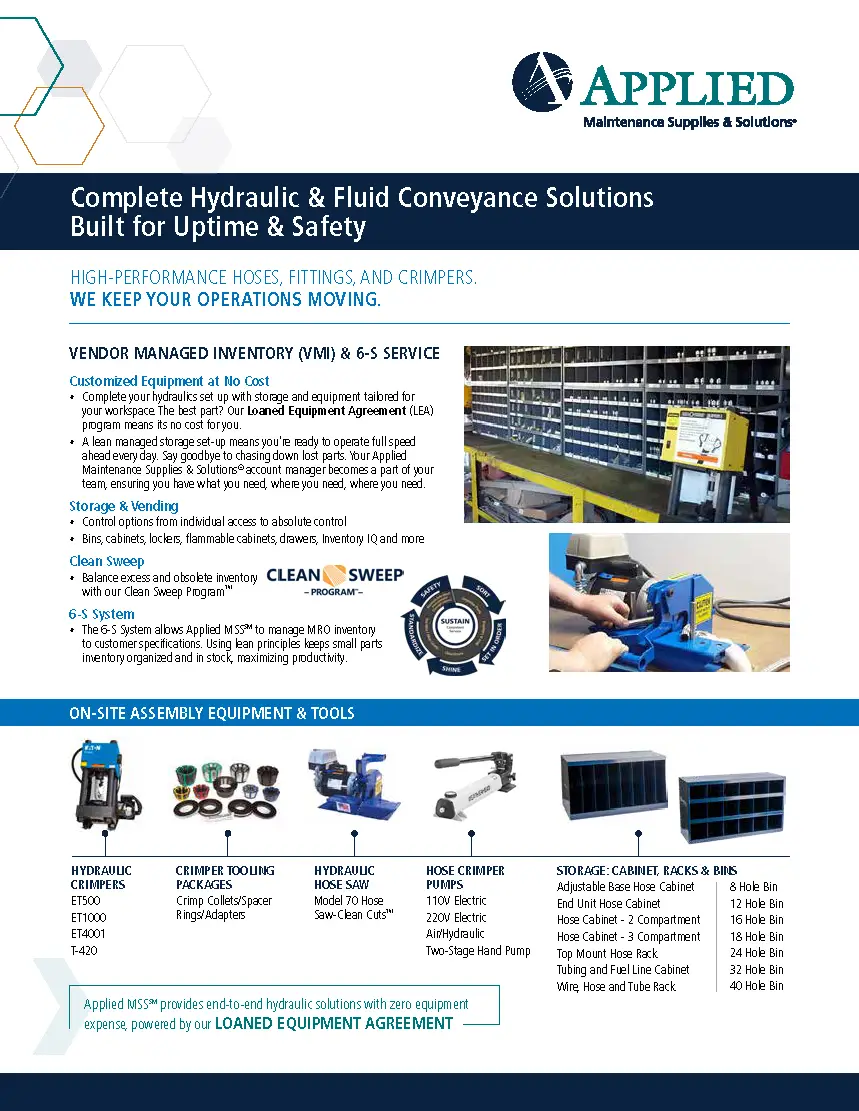
Applied MSS Hydraulics Brochure
Couplamatic Product Line
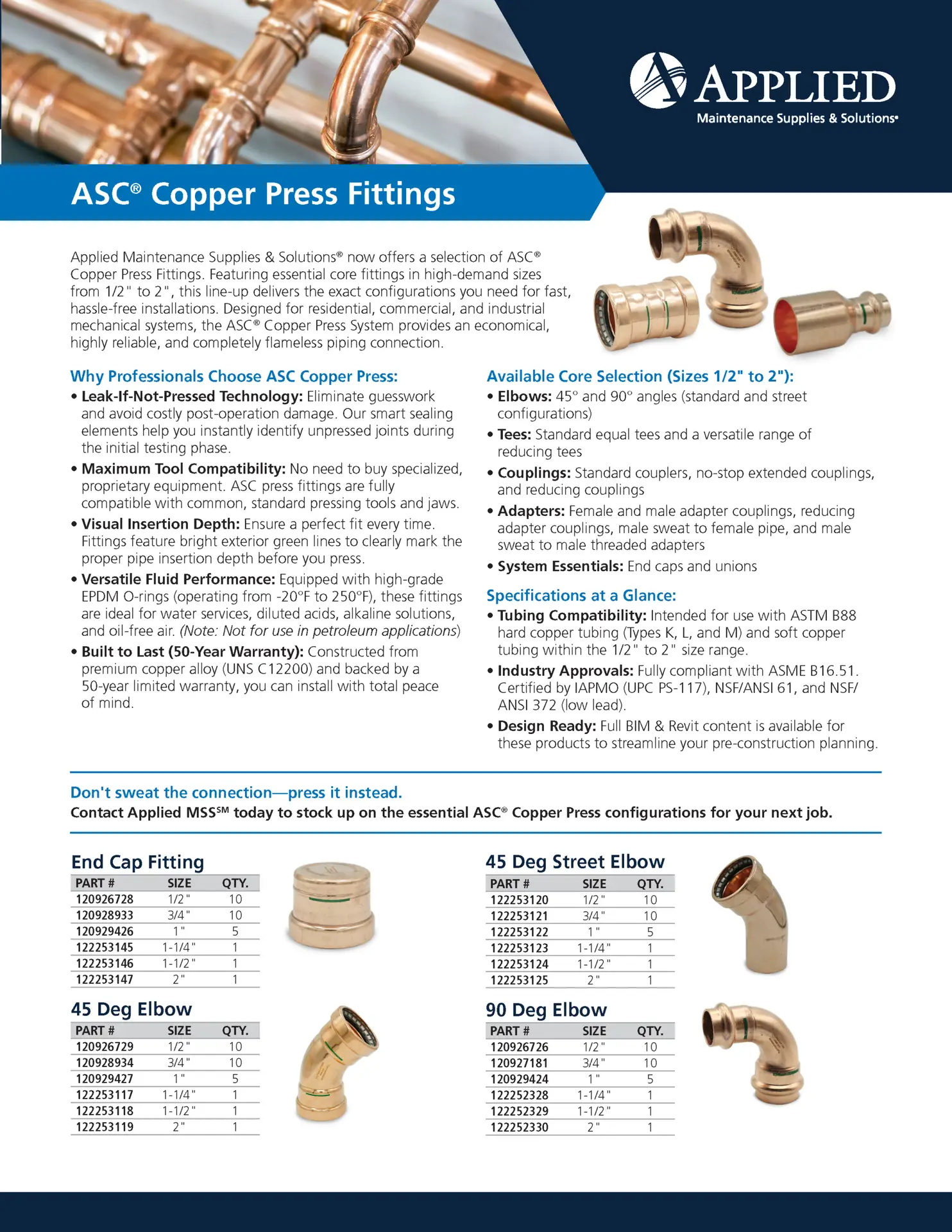
ASC Copper Press Fittings
Quick Selection Guide: Key Parameters

When evaluating fittings for an industrial fluid system, there are primarily five parameters to consider:

  1. Prioritize Pressure & Temperature Limits: Always select a fitting rated above both your system’s normal operating pressure and potential pressure spikes, while ensuring seals and alloys can withstand your extreme high and low thermal thresholds.

  2. Match Tubing & Alloy Chemistry: Pair fittings to the exact tubing material (such as copper, brass, soft metals, or SAE J844 thermoplastic) and avoid mixing incompatible metals to prevent galvanic corrosion.

  3. Choose Between Reusable vs. Single-Use: Use non-reusable fittings (like standard compression or permanent air brake fittings) for fixed, cost-effective installations, and opt for reusable designs (like Prestomatic or flare fittings) in maintenance-heavy environments.

  4. Select the Right Fitting Style for the Load:

    • Air Brake & DOT Systems: Use copper or SAE J844 air brake fittings (up to 400 PSI) or reusable Prestomatic fittings (up to 250 PSI).

    • General Plumbing & Low-Pressure Lines: Use brass pipe (up to 1,000 PSI), standard compression (75–400 PSI), or quick-connect Insta-Lok fittings (up to 300 PSI).

    • High-Pressure & High-Vibration Systems: Use reusable Inverted Flare or SAE 45° Flare fittings (up to 2,800 PSI) for refrigeration, fuel, and compressor charge lines.

  5. Inspect Before Reassembly: Even with reusable fittings, always check threads and sealing surfaces for wear, galling, or deformation before reinstalling—and never reuse single-use compression sleeves.

Breakdown of Common Fitting Types

  1. Air Brake & Commercial Vehicle Fittings

Air brake systems require strict adherence to Department of Transportation (DOT) standards to ensure vehicle safety under heavy pneumatic loads.1

  • Air Brake (Copper Tubing): Built for rigid copper lines, these non-reusable fittings handle pressures up to 400 PSI across extreme temperatures (-65° to 250° F) in reservoirs and heavy-duty air tanks.
  • Air Brake (SAE J844 Tubing): Designed specifically for thermoplastic air brake tubing, these DOT-compliant fittings operate up to 150 PSI within a -40° to 200° F range. They are permanent, single-use installations.
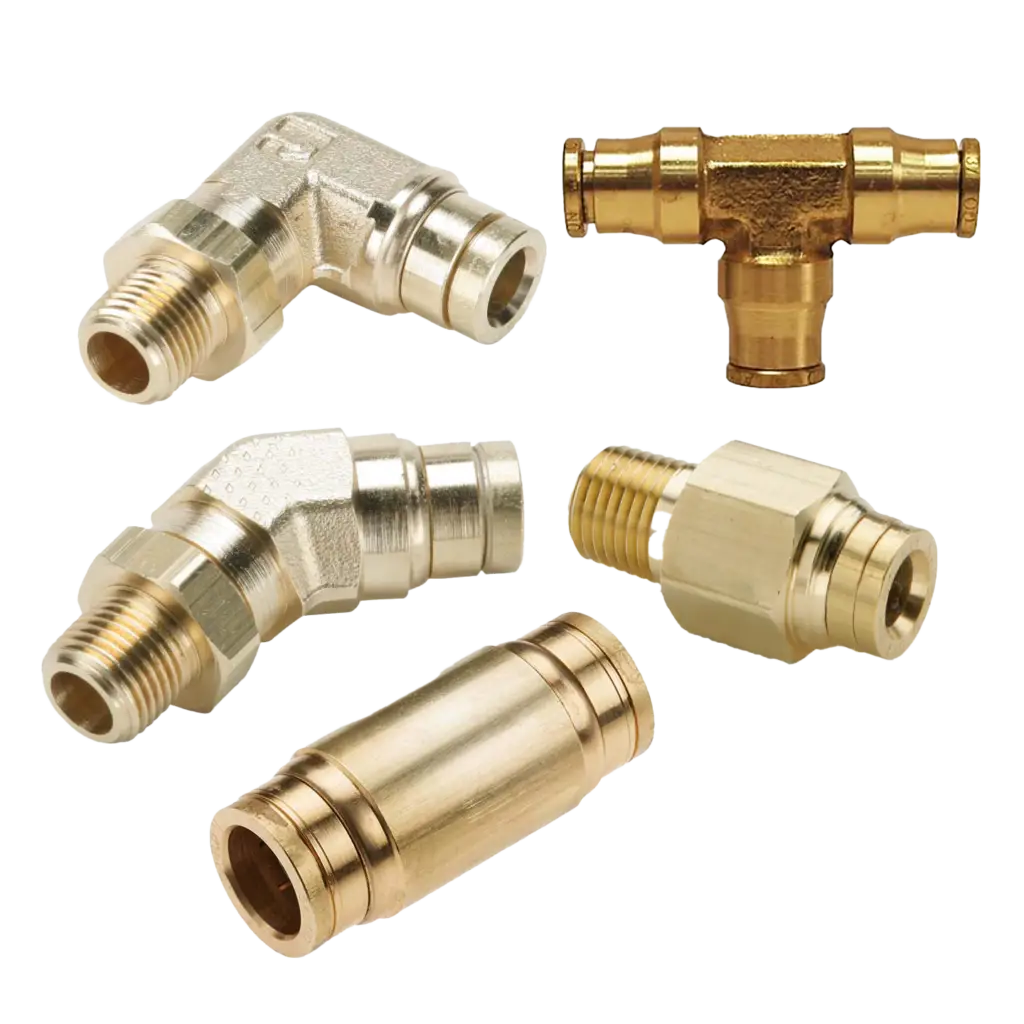
  • Prestomatic Fittings: Also engineered for SAE J844 thermoplastic tubing, Prestomatic fittings offer the advantage of reusability, operating up to 250 PSI between -40° and 200° F.
  1. General Plumbing, HVAC, and Compression Fittings
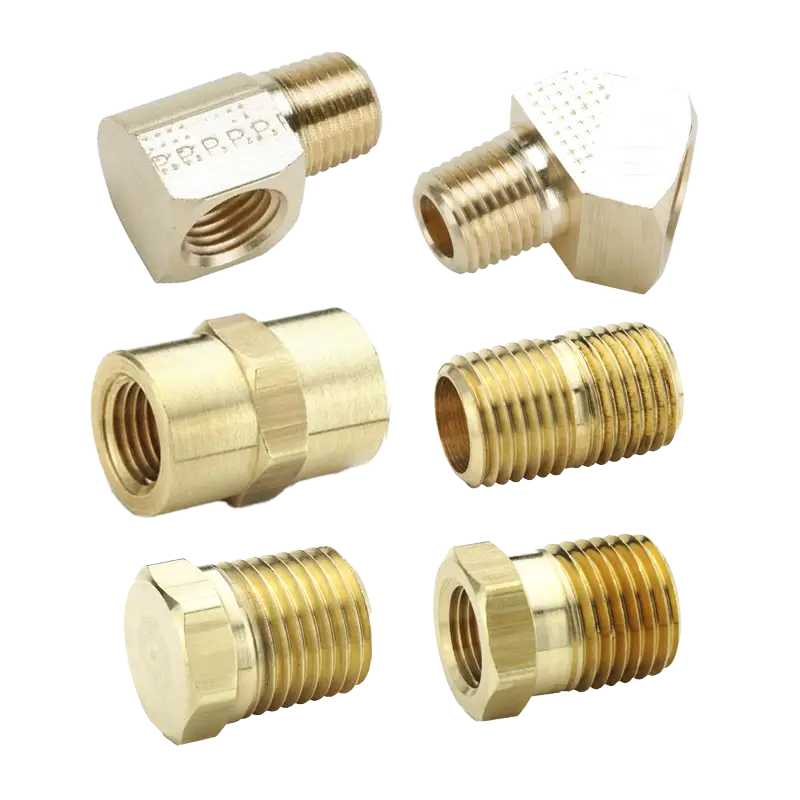
  • Brass Pipe Fittings: Highly versatile for low-to-medium pressure plumbing, water supply, and oil lines, brass pipe fittings handle robust pressures up to 1,000 PSI and temperatures from -65° to 250°. They are non-reusable.
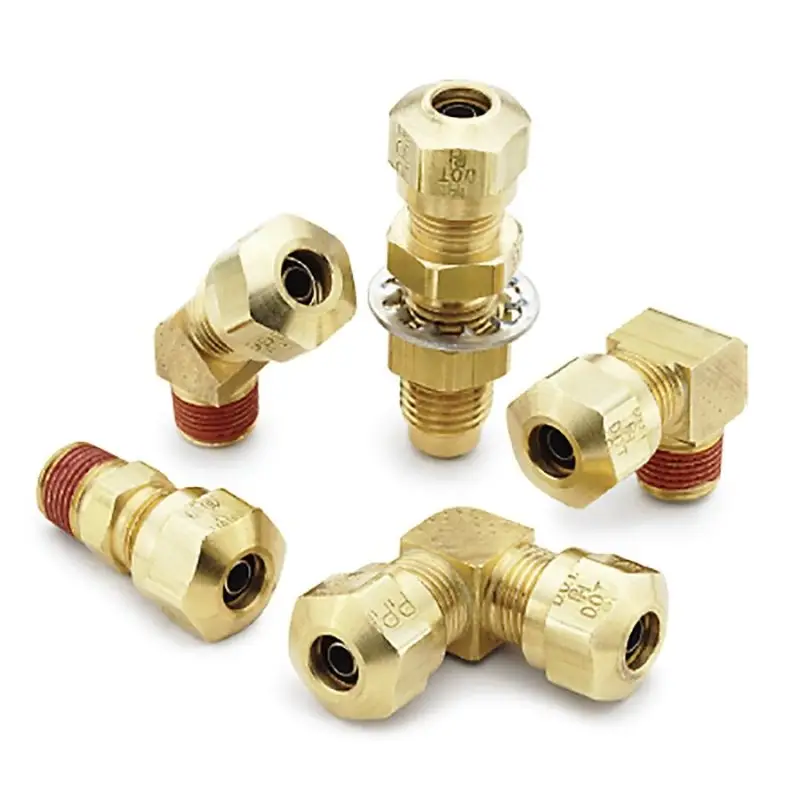
  • Standard Compression Fittings: Operating between 75 and 400 PSI, these non-reusable fittings grip soft metal tubing securely, making them a staple in air compressor lines and general low-pressure fluid or air transfer.
  • Insta-Lok Fittings: Ideal for low-pressure applications like sprinkler and irrigation systems, Insta-lok fittings provide quick-connection convenience, handle up to 300 PSI (from 0° to 200° F), and are reusable.
  1. High-Pressure Flare Fittings

When systems demand resilience under high vibration or demanding hydraulic and refrigerant loads, flare fittings are the industry standard.

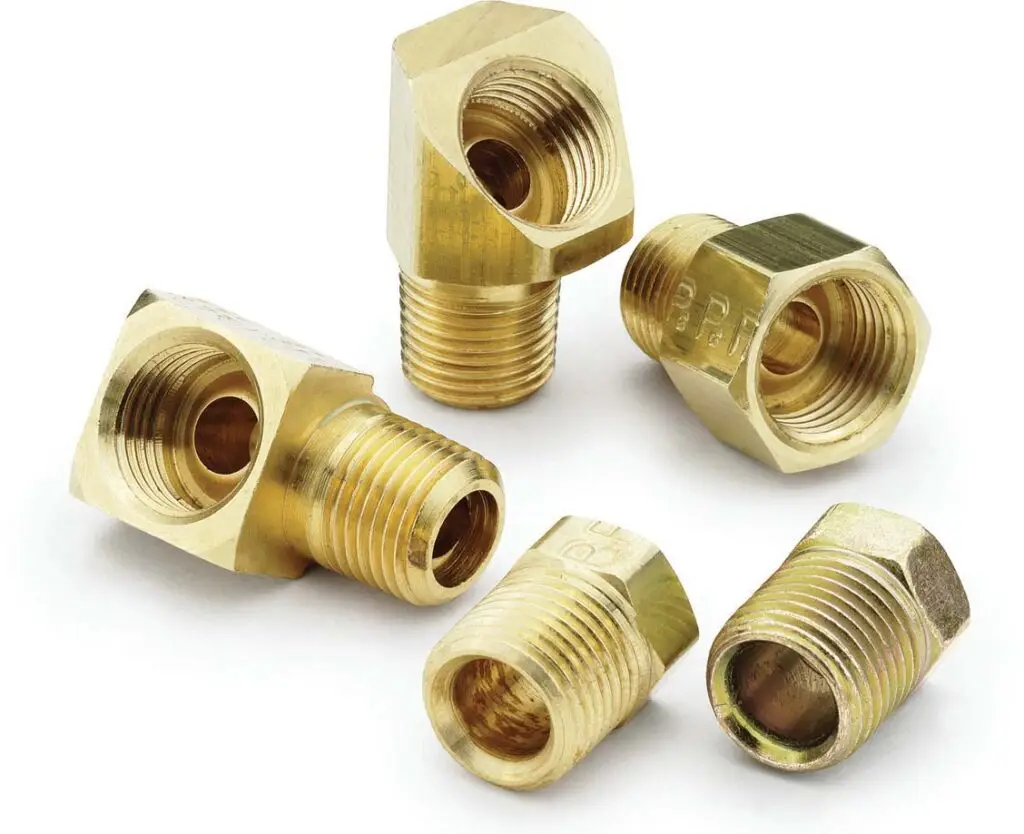
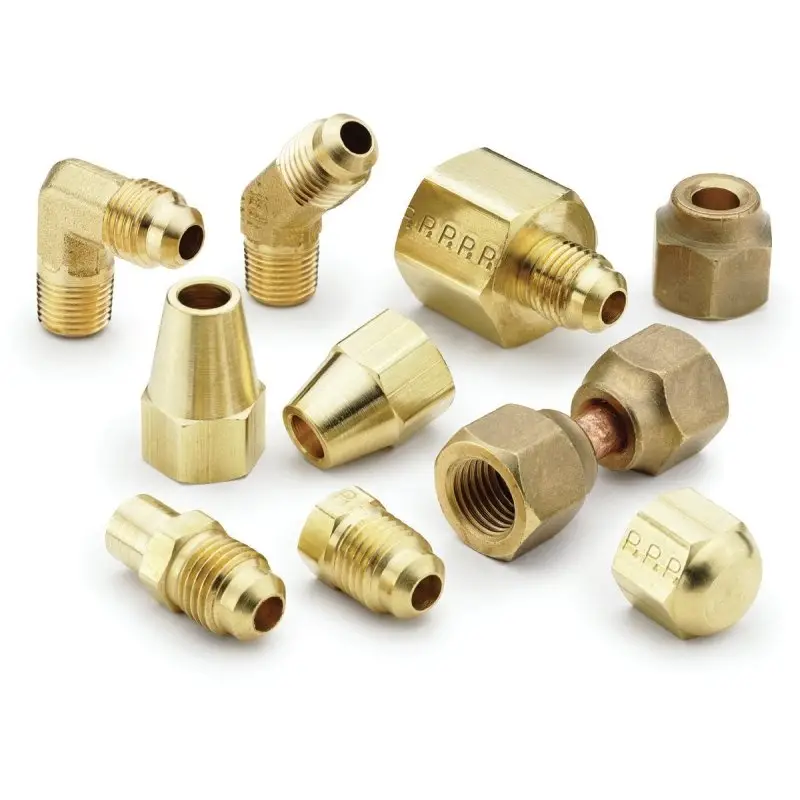
  • Inverted Flare Fittings: Ranging from 550 to 2,800 PSI, these brass/copper compatible fittings excel in “hard-to-hold” fluid environments such as automotive braking and compressor charge lines. They are reusable and rated for -65° to 250° F.
  • SAE 45° Flare Fittings: Sharing similar robust pressure thresholds (450 to 2,800 PSI) and temperature tolerances (-65° to 250°), SAE 45° fittings are widely utilized in refrigeration, Freon systems, and specialized fuel lines. They feature a reusable design suitable for maintenance-heavy environments.

Copper Fittings
Prestomatic Fittings
Brass Pipe Fittings
Compression Fittings
Inverted Flare Fittings
SAE 45° Flare Fittings

Fitting Selection Reference Matrix 

Fitting Type 

Pressure Range (PSI) 

Temperature Range (F) 

Tubing Material 

Reusable? 

Primary Market & Applications 

Air Brake (Copper) 

Up to 400 

-65° to 250°  

Copper 

No 

Air brake systems, reservoirs, tanks 

Air Brake (SAE J844) 

Up to 150 

-40° to 200°  

SAE J844 Tubing 

No 

DOT-compliant air brake reservoirs 

Prestomatic 

Up to 250 

-40° to 200° 

SAE J844 Tubing 

Yes 

Air brake systems, mobile tanks 

Brass Pipe 

Up to 1,000 

-65° to 250° 

Brass, Copper 

No 

Plumbing, HVAC, water supply, oil lines 

Compression 

75 to 400 

-65° to 250° 

Soft Metal 

No 

Air compressors, low-pressure air/water 

Insta-Lok 

Up to 300 

0° to 200° 

Soft Metal 

Yes 

Low-pressure sprinkler & irrigation 

Inverted Flare 

550 to 2,800 

-65° to 250° 

Copper, Brass 

Yes 

Air compressors, automotive braking, charge lines 

SAE 45° Flare 

450 to 2,800 

-65° to 250° 

Copper, Brass 

Yes 

Refrigeration, Freon systems, fuel lines 

Best Practices for Installation and Maintenance 

  1. Verify Pressure Spikes: Always select a fitting whose maximum pressure rating exceeds not just the normal operating pressure, but potential pressure spikes within the system.
  2. Match Material Chemistry: Mixing incompatible metals (example: certain stainless steels with unplated brass in corrosive environments) can accelerate galvanic corrosion. Ensure tubing and fitting alloys are metallurgically compatible.2
  3. Respect Reusability Limits: While reusable fittings (like flare or Prestomatic styles) save time during servicing, inspect the sealing surfaces and threads meticulously for wear, galling, or deformation before re-assembly. Never reuse single-use compression rings or non-reusable air brake sleeves.

Partnering with Applied MSS for Total Hydraulic Reliability

Navigating system pressures, thermal limits, and material compatibility doesn’t have to be a trial-and-error process. Applied MSS offers a complete portfolio of hydraulic system MRO parts, backed by industry experts who work with your team to ensure your setups are safe, compatible, and fully compliant with operational standards.

To help optimize your facility, check out our comprehensive Hydraulics Brochure for detailed product specifications, or request a complimentary site survey where our specialists will audit your machinery on-site to help you determine the exact, perfect setup for your applications.

Sources

1. Department of Transportation Federal Motor Vehicle Safety Standards: Brake Hoses

2. ASTM Standard Guide for Development and Use of a Galvanic Series for Predicting Galvanic Corrosion Performance